Japan's three-tier health claim system: FOSHU, FFC, and Nutrient Function Food explained
Japan has three health claim frameworks — FOSHU, FFC, and Nutrient Function Food. We explain each, the evidence requirements, the right pathway for foreign supplement brands, and what compliance beyond claims looks like.
Created:
Updated:
Japan's three-tier health claim system: FOSHU, FFC, and Nutrient Function Food explained
Japan has one of the most sophisticated, and most misunderstood, health product regulatory frameworks in Asia. Unlike most markets where you either have a claim or you don't, Japan operates a three-tier system that allows health claims under different frameworks with different evidence requirements, timelines, and commercial implications. Choosing the wrong tier costs brands months they didn't have.
The three systems
1. FOSHU: Food for Specified Health Uses
FOSHU (Tokuho) is the oldest and most rigorous of the three. Products with FOSHU approval have cleared pre-market government review and can carry a specific, approved health claim backed by clinical evidence. The process requires application to the Consumer Affairs Agency (CAA), clinical trial data, safety assessment, and ingredient specification. Typically 2 to 3 years and expensive. Primarily pursued by large domestic food and beverage companies.
Example claim: 'This product helps maintain healthy blood pressure' for a product containing specific peptides at validated doses.
2. FFC: Foods with Function Claims
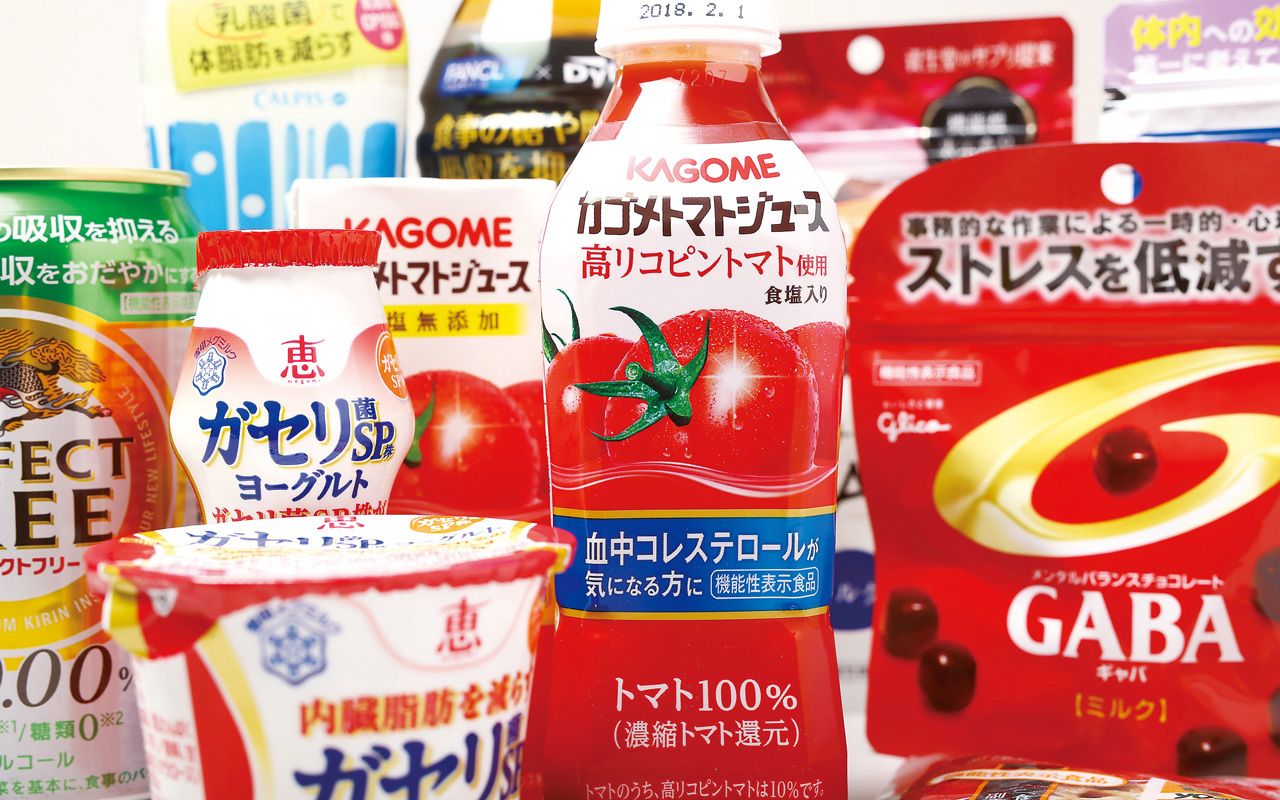
FFC (Kinou-sei Hyouji Shokuhin) was introduced in 2015 and transformed market access for health claims in Japan. Unlike FOSHU, FFC uses a notification system: brands notify the CAA, publish their evidence, and if no objection is raised within 60 days, can begin marketing.
The evidence standard accepts systematic reviews of existing research or results from human clinical trials. No original clinical trial required if sufficient peer-reviewed literature supports the claim. This makes FFC significantly more accessible than FOSHU for foreign brands.
Example claim: 'This food contains EPA/DHA which helps maintain normal levels of blood triglycerides.' All FFC products must carry: 'This product has not been evaluated by the Consumer Affairs Agency.' FFC claims relate to the food's function, not disease treatment or prevention.
For most foreign supplement and functional food brands entering Japan with health claims, FFC is the right pathway.
3. Nutrient Function Food
The simplest tier: a standard-setting system for 20 specified vitamins and minerals. Products containing these nutrients within defined ranges can use pre-approved nutrient function statements without any notification or application. Fixed, pre-approved wording only. No flexibility, but no regulatory barrier either.
Choosing your pathway
FOSHU | FFC | Nutrient Function Food | |
|---|---|---|---|
Process | Pre-market approval | 60-day notification | No notification |
Timeline | 2 to 3 years | 3 to 6 months | Immediate |
Evidence | Original clinical data | Systematic review or clinical trial | Not required |
Claim flexibility | Specific approved claims | Flexible structure/function | Fixed pre-approved wording |
Best for | Large companies, major investment | Foreign brands entering with claims | Standard vitamin/mineral products |
Other Japan compliance considerations
MHLW ingredient standards. Products with ingredients not on MHLW's approved lists, or at levels exceeding established safety standards, can't enter the market regardless of which claims tier they're pursuing.
Labelling. All mandatory fields must be in Japanese. The FFC notification number must appear on pack once notification is complete.
Import procedures. Japan's import control system for food is administered by the MHLW through quarantine stations. Products require import notification and are subject to inspection.
Taama's Japan coverage is on our roadmap, covering FOSHU, FFC, and Nutrient Function Food pathway classification for brands entering Japan. See our Japan page

" height="24px" id="O1AlXBJVR" width="24px"/></svg>)