How to read a halal ingredient screen: what MUI and JAKIM actually check
What MUI and JAKIM actually check in a halal ingredient screen — the ingredients that most commonly fail, how the two frameworks differ, and why halal screening needs to happen at formulation stage, not certification stage.
Created:
Updated:
How to read a halal ingredient screen: what MUI and JAKIM actually check
For supplement brands entering Indonesia, Malaysia, and the Gulf, halal compliance isn't a nice-to-have. It's a commercial prerequisite. But many brands approach halal certification as a box to tick at the end of a registration process, rather than an ingredient-level screen that should happen at the start.
Here's what MUI and JAKIM actually look at, the ingredients that most commonly fail, and how to use a halal screen early enough to avoid reformulation delays.
What halal certification actually covers
Halal certification is not just about whether a product contains pork or alcohol. The scope covers ingredient origin (animal-derived ingredients must come from halal-slaughtered animals or be plant/mineral-derived), processing aids (substances used in manufacturing but not listed as ingredients must also be halal-compliant), cross-contamination risk (facilities handling both halal and non-halal products must demonstrate segregation), alcohol content (even incidental alcohol from fermentation or as a solvent is scrutinised), and gelatin and capsule shells (the most common failure point for supplement brands).
MUI (Indonesia) vs JAKIM (Malaysia): key differences
MUI (Majelis Ulama Indonesia) covers the full supply chain from raw material to finished product, requires halal certification of key ingredients (not just the finished product), requires a manufacturing facility audit, and mandates the logo on pack. Products in mandatory halal categories (food, beverages, drugs, cosmetics) are required by law to be certified under Indonesia's Halal Product Assurance Law.
JAKIM (Jabatan Kemajuan Islam Malaysia) issues Malaysia's official halal certificate under MS 1500, requires all ingredients and processing aids to be halal-compliant, requires an annual factory audit for certification renewal, and has mutual recognition agreements with some other halal authorities that reduce duplication for some ingredient certifications.
The ingredients that most commonly fail
Gelatin. Most supplement capsules are gelatin-based. If the source isn't specified or comes from non-halal slaughter, it fails. The fix: switch to vegetable cellulose (HPMC) capsules, broadly accepted by both MUI and JAKIM.
Magnesium stearate. A common tablet lubricant that can be animal-derived. Plant-derived versions are widely available; the source needs to be declared and certified.
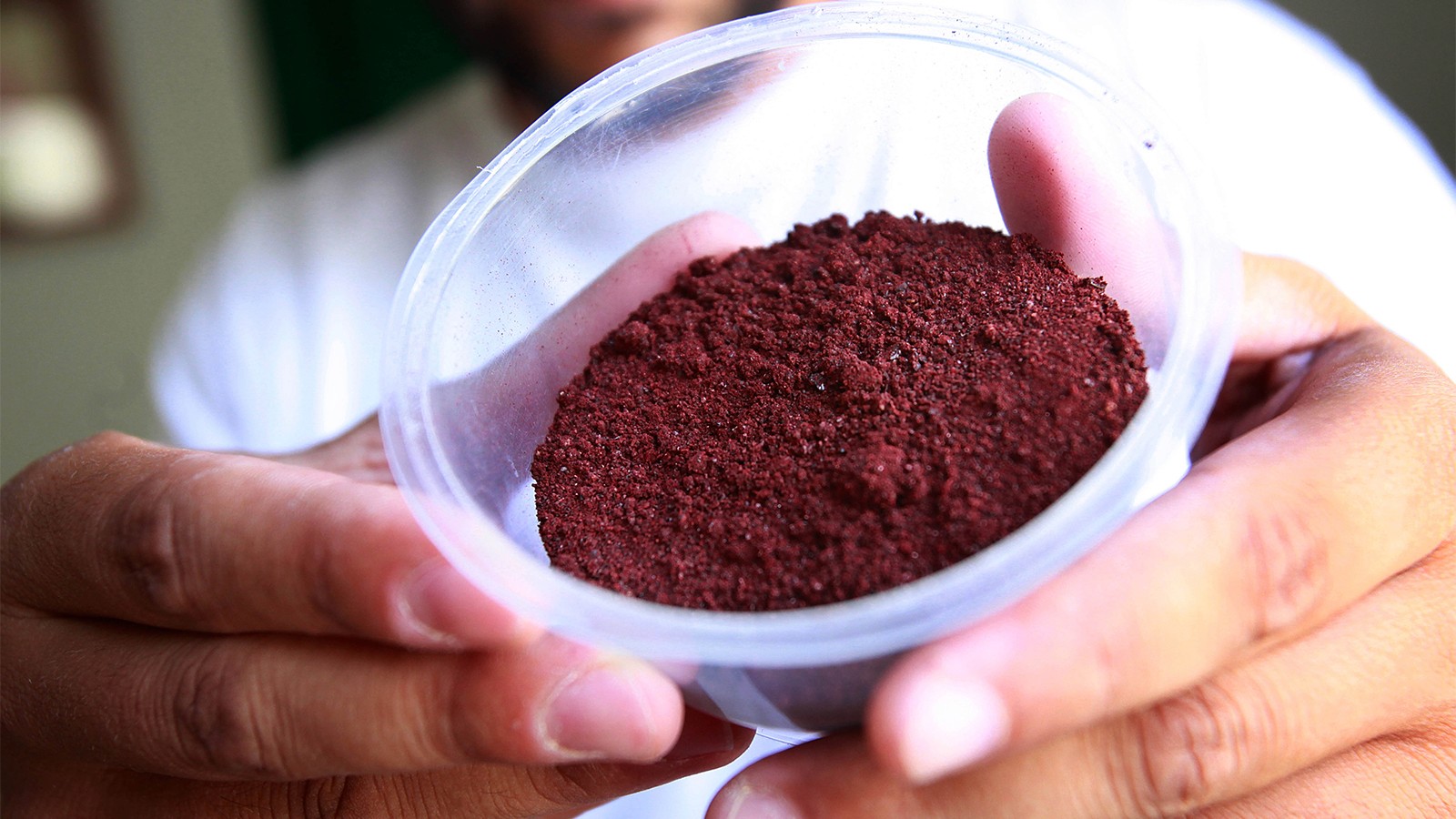
Carmine / Cochineal extract (E120). A red colourant derived from insects. Not halal. Common in some gummy supplements. Alternative: plant-based red colourants.
Stearic acid and related emulsifiers (E471, E472). Can be animal-derived. Source documentation required.
Alcohol-based excipients. Used as solvents for some botanical extracts. Permissibility thresholds vary by authority.
Certain enzymes. Used in fermentation-derived ingredients. Animal-derived enzymes may not be accepted.
How to use a halal screen effectively
The right time to run a halal screen is before you finalise formulation, not before you submit for certification. Finding a problematic ingredient during certification means reformulation, retesting, and restarting. Finding it at the formulation stage costs a supplier change.
A practical halal screen: list every ingredient including excipients, processing aids, and capsule components; identify the source (plant, animal, mineral, synthetic) for each; flag any animal-derived ingredients for origin verification; check alcohol content of any carrier solvents or botanical extracts; verify that key ingredient suppliers hold valid halal certificates from recognised authorities.
For brands selling across multiple halal markets (Indonesia, Malaysia, and the Gulf), design to the most stringent requirement, typically MUI, since a MUI-certified product has a strong basis for JAKIM and GCC halal acceptance.
Taama screens supplement formulations against MUI, JAKIM, and GCC halal requirements for brands entering Indonesia, Malaysia, and the Gulf. See our halal market coverage

" height="24px" id="O1AlXBJVR" width="24px"/></svg>)